What a slow market actually filters for
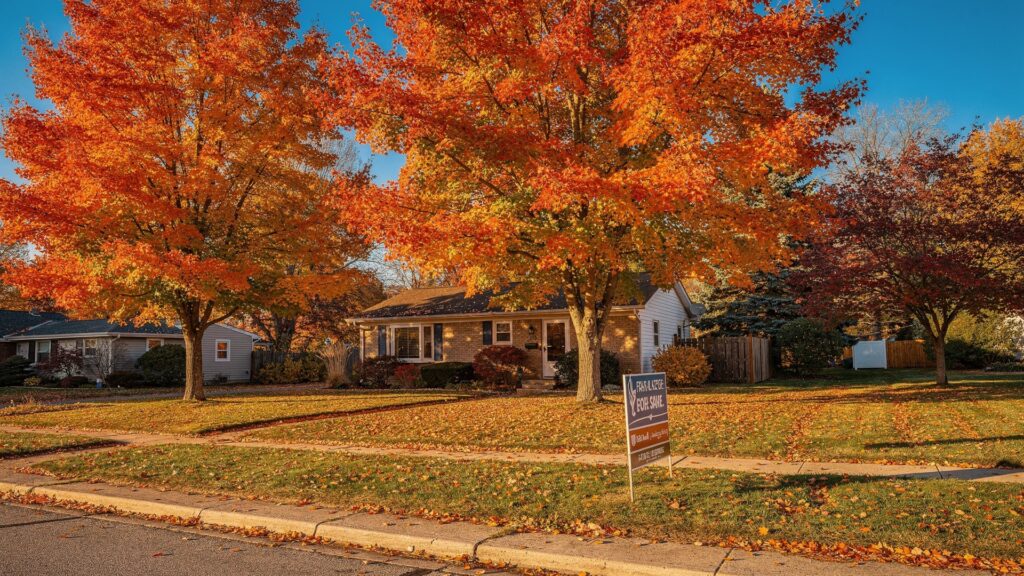
Existing-home sales landed just above 4 million in 2025, the lowest since 1995, and the typical Realtor closed nine sides. 65% of agents say they are concerned or very concerned about the economy, and one in five wrote it in as their top business concern without being asked. A slow market feels like a punishment. It is closer to a sorting machine, and it is worth knowing what it sorts on.
It does not filter for effort
The first thing to get out of the way: the agents leaving are not the lazy ones. Tellreddy's read on the NAR membership decline puts it in one sentence. In 2008, agents left because there were no deals. In 2026, agents are leaving because each deal requires more work for less money.
The work has gone up. Sellers still want 2021 prices, buyers expect everything to be negotiable, and the agent is now advisor, educator, negotiator, and therapist on the same file. Meanwhile median business expenses rose to $9,530, up from $8,010, while median gross income moved from $58,100 to $59,200. If you feel like you are working harder for the same money, the numbers agree with you. Two of those conversations have their own posts: what to say to the seller who wants the 2021 price and the buyer agreement conversation, done before the meeting.
So the filter is not "who is willing to work." Everyone still standing is working. The filter is on what the work produces when there are fewer deals to produce.
It filters for a lead model that works without a tailwind
DealMachine's line is blunt: a hot market hides a weak lead model. In 2021, almost any source of contact turned into a transaction because everyone was moving. The portal leads converted, the open house sign-ins converted, the cousin's coworker converted. The model looked good because the market was doing the converting.
Now the market is not doing it. 62% of agents got no 2025 business from open houses, and 81% got none from virtual tours. The channels that were "working" were mostly riding demand, and demand left. What remains is the source that was always doing its own work: people who already know you. For experienced agents, that is about half the business, and it is the half that does not need a hot market to show up.
The agents getting filtered out are often the ones whose business was built on a channel that only worked when everything worked. The agents getting through have a sphere that keeps producing at nine deals a year, because nine deals from a sphere is a normal year, not a crisis.
It filters for who is still visible when nothing is closing
Here is the uncomfortable mechanism. When deals slow down, marketing slows down with them, because marketing was mostly listings. No new listing means no listing post, no just-sold, no open house reel. The agent goes quiet, not by choice, but because the content was the inventory.
Pipelines have been thinning through most of 2026. Only 34% of agents expect their listing pipeline to grow over the next year, and 44% expect about the same. That is a long stretch to be invisible if your visibility depends on having something to sell.
The agents who hold up are the ones whose visibility is decoupled from their inventory. They are on the record every month about the market whether or not they have a listing. In a slow market, that is the one thing a homeowner still wants from you: an honest answer about what is going on. Being the local market economist is a role that gets more valuable when the news is confusing, and 30-year rates near 7% are confusing.
It filters for how you spend the hour
Most agents spend at least an hour a day on marketing. The filter is not whether you spend it. It is what it is spent on. The itemized version of that hour shows most of it going to the urgent and the one-off: this listing, this post, this follow-up. In a strong market, that is fine, because the urgent things keep coming. In a slow one, the urgent things dry up and the hour gets spent on nothing in particular.
CallRail's 2026 trends list the top challenges as increased competition at 52% and declining sales at 50%. Those are the same problem from two sides. Fewer deals, same number of agents chasing them. The way through is not to shout louder at strangers. It is to be the agent who never went quiet with the people who already trust you, so that when they move, or their sister moves, there is no decision to make.
What this means for the agent who plans to stay
75% of Realtors are very certain they will stay in the business two more years. If you are one of them, the slow market is not something to wait out. It is the period when the sorting happens, and the sorting is on consistency, not volume.
Three things survive the filter. A sphere you have stayed in front of. A reason to show up every month that does not depend on a listing. And a video routine that costs you minutes, not the hour you no longer have. None of those requires a budget. All of them require a cadence you will keep when it feels pointless, which is exactly when it is being measured.
Where MirriFi fits
MirriFi is built for the part of this that is about staying visible when there is nothing to sell. One recording session of about fifteen minutes on your phone, then monthly market updates with licensed local data and Topic videos arrive in your face and voice, listings or no listings. It does not fix pricing conversations or generate leads. It keeps you on the record every month, which is the thing the slow market is quietly checking for. You can see it on your own face, no card, no call.